9+ curated guides • Updated September 2025
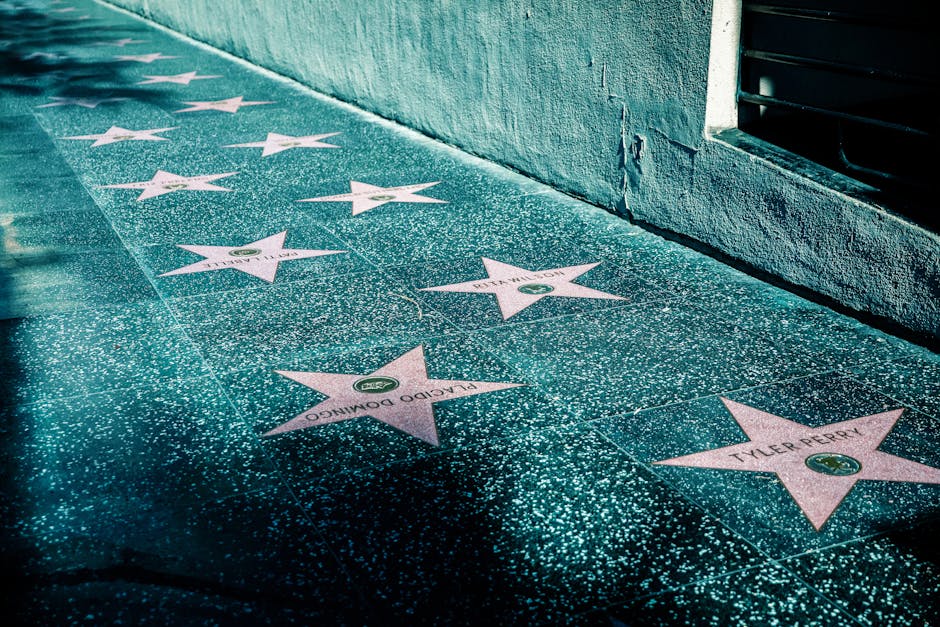
For hundreds of the world's most famous people, their life story has already been written—down to the last word. This isn't a morbid premonition; it's the meticulous, secret work of obituary writers who craft a celebrity's legacy long before they pass. We pull back the curtain on the art and ethics of writing the most important story of someone's life, after it's over. This journalistic subculture operates in a strange temporal space, treating living history as a subject for the past tense. It’s a world of confidential files, discreet interviews, and the constant, quiet work of shaping the first draft of history before the final chapter has even begun.
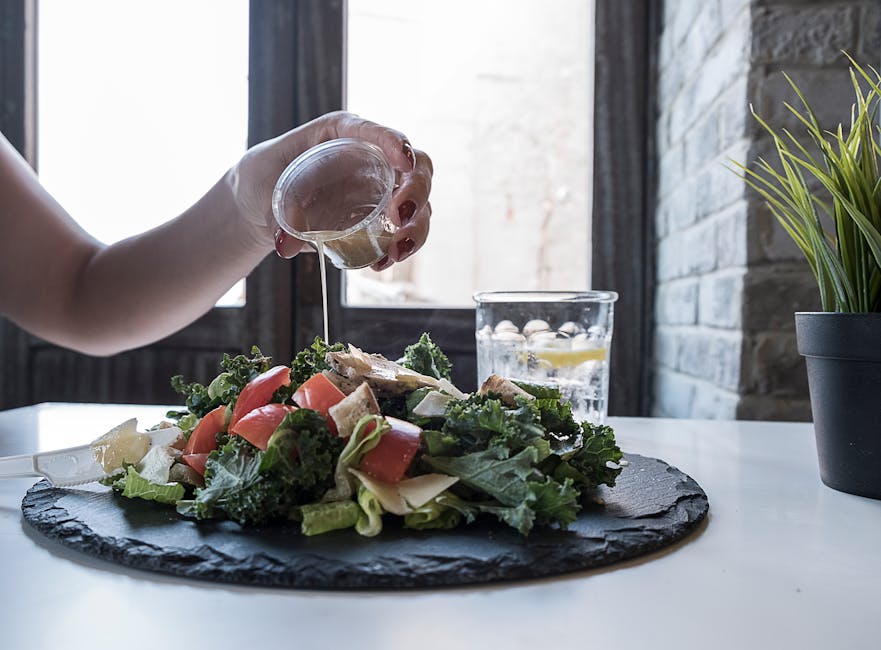
You searched for 'breakfast delivery near me' looking for convenience, but what if that search could unlock an extra hour of deep work? Most people see it as a lazy luxury; we see it as a productivity investment. Before you tap 'order' on that bagel, let's explore how to make your first meal of the day a strategic choice that pays dividends until dinner. This isn't about saving five minutes of cooking; it's about executing a high-leverage arbitrage play on your morning. By outsourcing the logistics of your first meal, you're not just buying food—you're buying back cognitive bandwidth, decision-making energy, and the most valuable asset of all: uninterrupted time. We will deconstruct how to weaponize your breakfast order to build a better, more effective day from the very first bite.
It's 5 PM. You've made a hundred decisions today, and now you face the most draining one of all: what's for dinner? Before you give in to expensive takeout for the third time this week, consider this: what if the problem isn't the cooking, but the exhausting mental labor that comes before it? For years, I viewed meal kits as a luxury for people who didn't know how to cook. I was wrong. They aren't a cooking product; they are a productivity system. This is the story of how I stopped treating dinner as a chore and started treating it like a streamlined project, with Blue Apron acting as my silent, efficient sous chef.
You typed 'tacos near me' into your search bar, but the map of endless dots doesn't understand the real question. You aren't just looking for the closest taco; you're looking for the right taco. This guide is your personal taco sommelier, designed to decode your craving and point you to the perfect spot for your exact mood. Forget proximity. We're talking about a culinary match made in heaven, a perfect synthesis of your internal state and a folded tortilla. Every craving has a story—a reason it bubbles to the surface—and every one of those stories deserves a delicious ending. Consider this your roadmap to taco enlightenment, helping you navigate the city's offerings not by the mile, but by the mood.
You've been trained to believe the ultimate showdown is Black Friday versus Cyber Monday. But what if that entire debate is a carefully crafted distraction? We analyzed years of pricing data to expose the real deal 'sweet spot' that retailers hope you'll miss. For years, I was on the other side of the table, designing the very pricing strategies meant to guide you into predictable spending patterns. Now, I'm here to show you the escape hatch. We're not talking about Black Friday, and we're not talking about Cyber Monday. We're talking about the quiet, 48-hour period in between—what I call the 'Gray November' window—where the real, data-backed bargains hide in plain sight.
The dream is a quiet cottage in a sun-drenched California town, until a motorcade of black SUVs signals your new celebrity neighbor has arrived. While real estate values soar and a touch of glamour descends, a hidden toll often follows, forever altering the fabric of the communities they sought for an escape. This phenomenon, which I call 'The Montecito Effect,' is more than just gentrification; it's a complete socio-economic terraforming. It examines the celebrity footprint not as a collection of autographs and sightings, but as an ecological force that reshapes a town's landscape, economy, and very identity, often leaving long-term residents feeling like tourists in their own homes.
You've heard that a plant-based diet can help you lose weight and lower your cholesterol, but nobody is talking about its most significant side effect: a mental upgrade. Forget the scale; we're diving into the neuroscience of how switching your fuel source can sharpen your focus, elevate your mood, and unlock a new level of cognitive performance. As a neuroscientist, I'm not interested in fad diets; I'm interested in brain optimization. We're moving past the surface-level benefits to examine the profound biochemical and structural changes that occur in your brain when you transition to a plant-predominant way of eating. This isn't about restriction; it's about unlocking a level of mental clarity you may not have realized was possible. We will explore how this dietary shift directly influences the production of key neurotransmitters, reduces the 'brain fog' caused by inflammation, and even encourages the growth of new brain cells. Get ready to rethink everything you thought you knew about food and focus.
Your search for a 'fashion accessories shop near me' probably led you to the same three chain stores you already know. But the most memorable pieces—the ones that tell a story—aren't found on the first page of Google. Let's ditch the algorithm and learn how to hunt for the truly unique accessories hiding in plain sight in your own neighborhood. This guide is your new map, trading sterile search results for the thrill of discovery. We're not just shopping; we're embarking on a mission to find the soul of our city's style, one handcrafted piece at a time. Forget the predictable. It's time to become a curator of your own collection, filled with items that have a pulse, a history, and a creator you can champion.
You've seen them everywhere: chunky 'mob wife' gold, delicate coquette bows, and hyper-functional utility bags. But what if these aren't just random trends dictated by runways? We're exploring the theory that our accessory choices are powerful economic indicators, revealing more about our anxieties and aspirations than the clothes we pair them with. This phenomenon, an evolution of the classic 'Lipstick Effect,' suggests that in times of economic uncertainty, we forgo large, expensive purchases for smaller, more affordable luxuries. Today, that luxury isn't just a tube of red lipstick; it's a statement earring, a silk scarf, or a bold belt. These are not mere decorations; they are non-verbal communicators of our collective psyche, broadcasting our need for security, comfort, and control in a turbulent world.